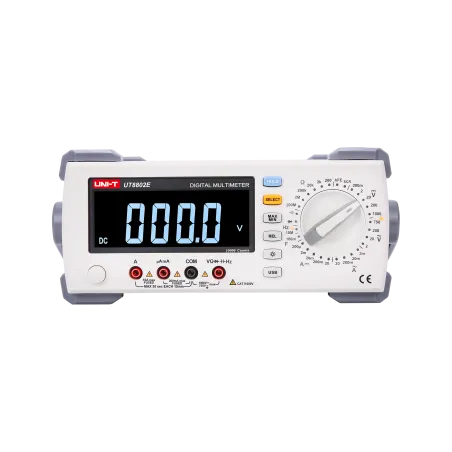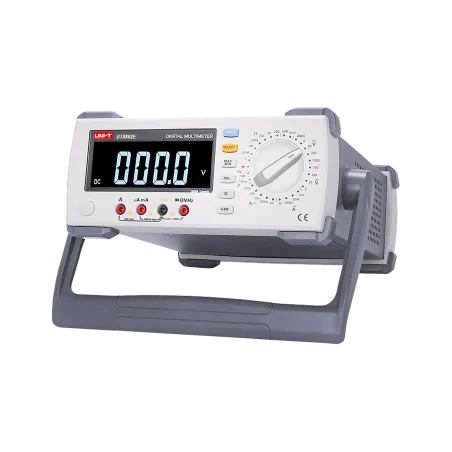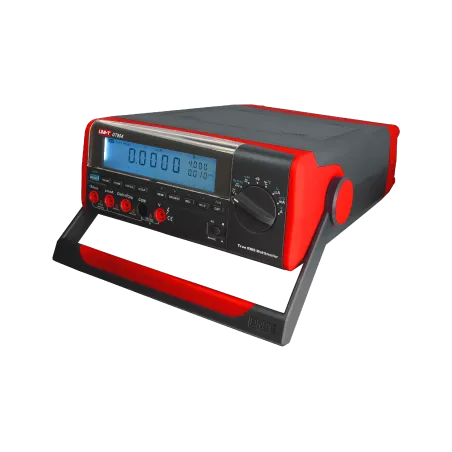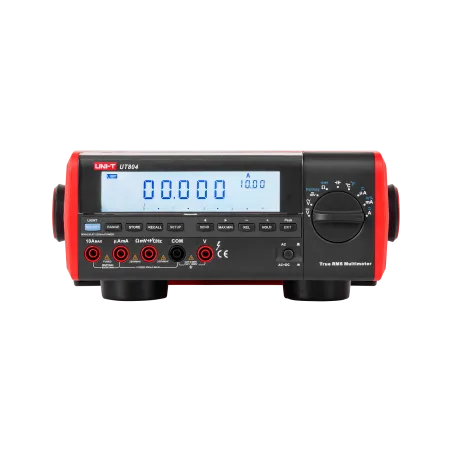
599.00Price
- Online only
- New

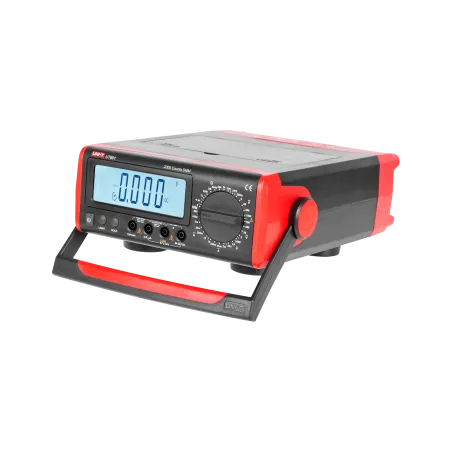
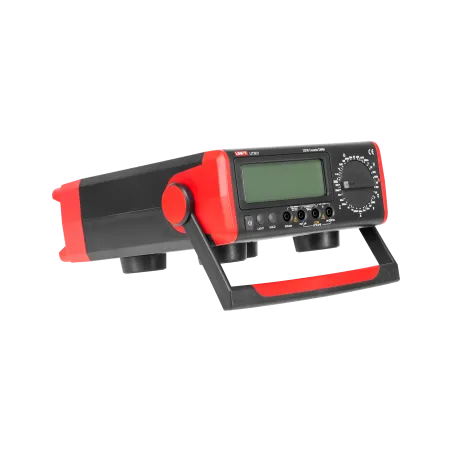
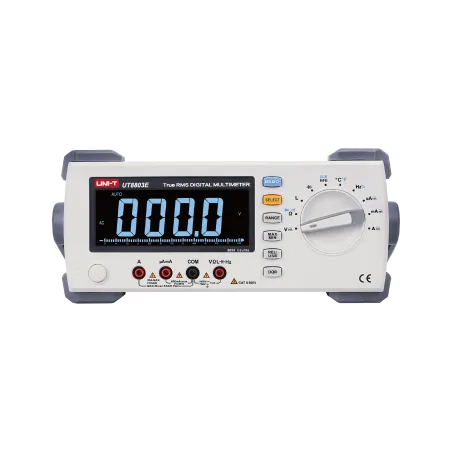
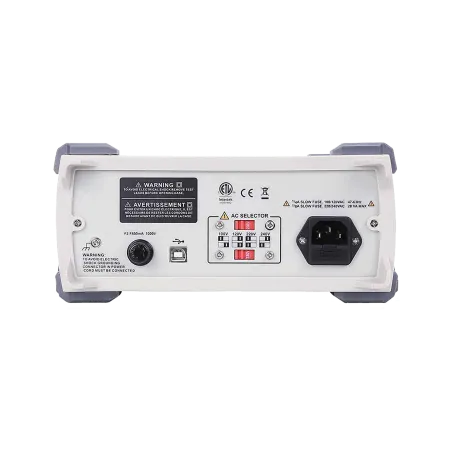
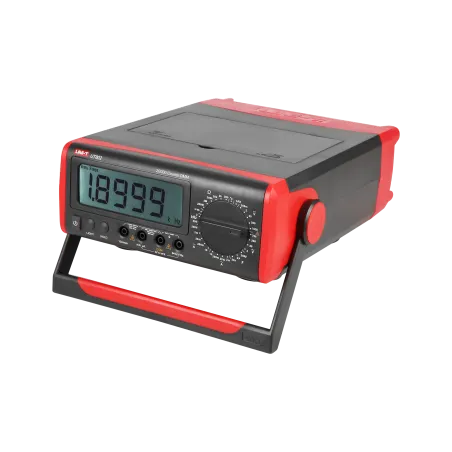
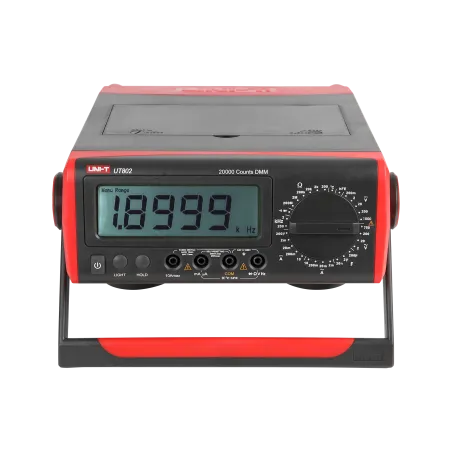
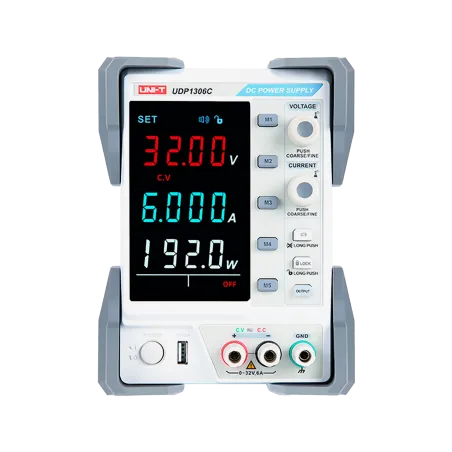
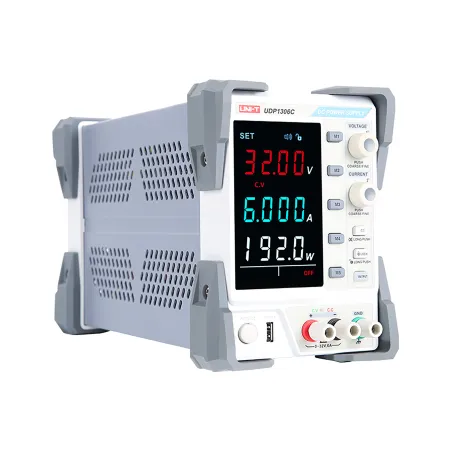
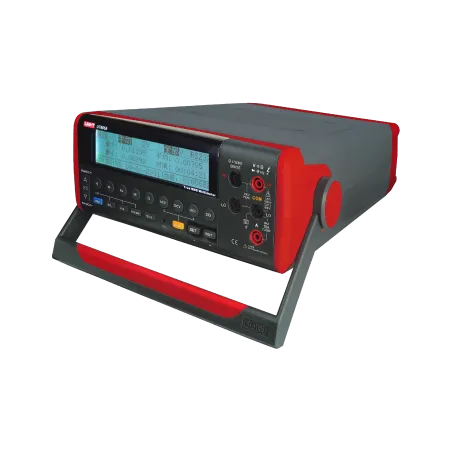
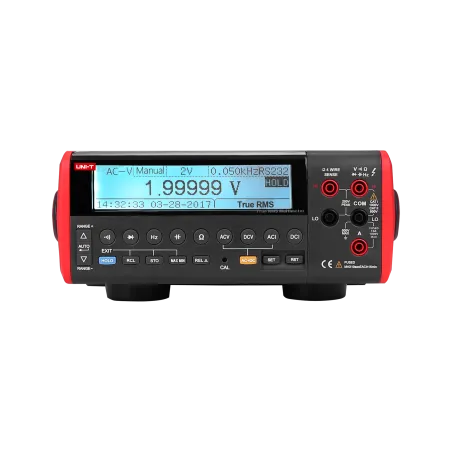
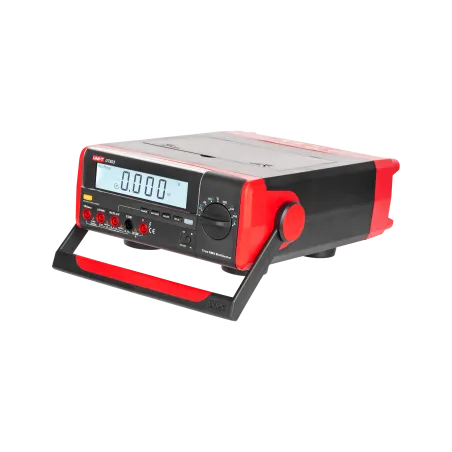
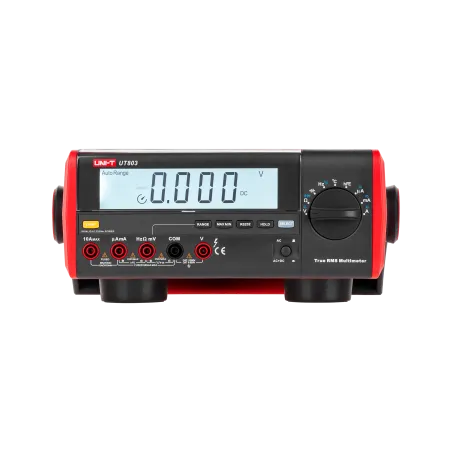
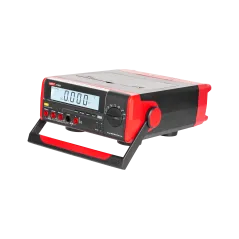
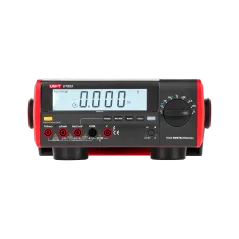
Laboratory meters are specialized measuring instruments designed for precise measurement of various parameters in scientific, technical, and service laboratories. In this section, you will find meters for measuring voltage, current, resistance, capacitance, frequency, as well as devices for monitoring physical and chemical parameters such as temperature, humidity, or pH.
The range includes both universal laboratory meters and models dedicated to specific measurement tasks. These are essential tools for electronics engineers, technicians, scientists, and laboratory staff who require high accuracy and repeatable results. When selecting a laboratory meter, it is important to consider measurement range, accuracy, display readability, and any additional features. Choosing the right device supports effective control and analysis of circuits, contributing to safe operation and reliability of results.
8 products
Active filters
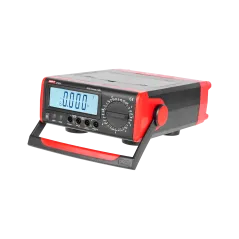
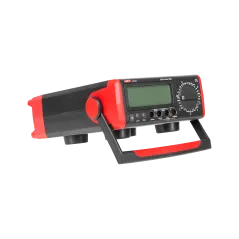
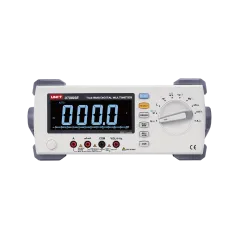
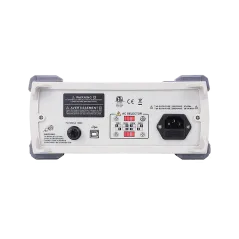
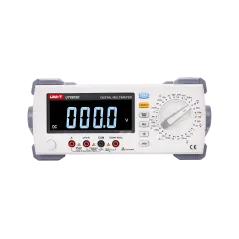
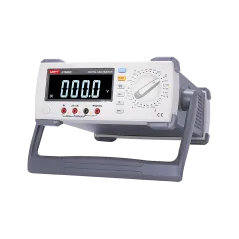
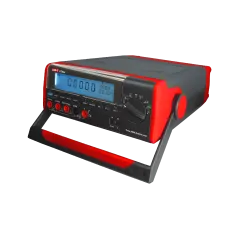
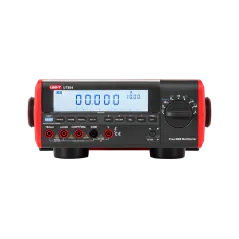
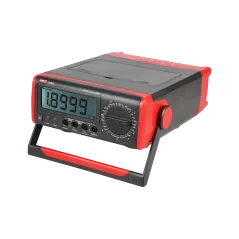
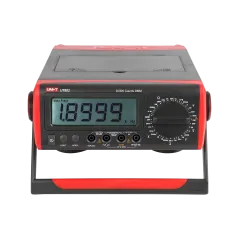
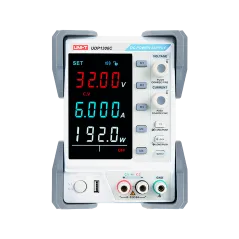
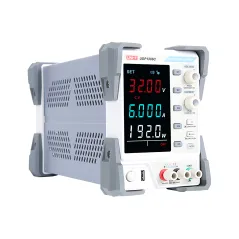
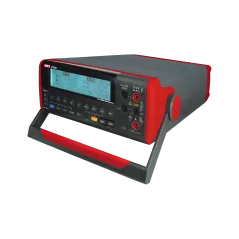
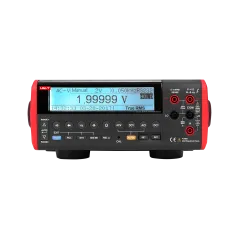
Laboratory meters enable professional measurement of both electrical and physicochemical parameters, making them a fundamental part of any modern laboratory or electronics workshop. Thanks to their broad range of functions, these meters are used for circuit testing, quality control, scientific research, and calibration processes.
Typical applications include voltage, current, resistance, capacitance, and frequency measurement, as well as monitoring temperature, humidity, or chemical parameters. Multifunction models can serve as multimeters, allowing comprehensive diagnostics of electronic devices and efficient control of laboratory processes.
The choice of a suitable meter depends on the measurement range, required accuracy, and the specifics of your tasks. If you are interested in measuring non-electrical quantities, see our non-electrical quantity meters or temperature meters. For advanced analysis, you may also consider oscilloscopes and signal generators. Professional users may want to explore our range of professional meters.
By choosing a laboratory meter, you are investing in a tool that enhances the reliability of measurements and streamlines work in research or technical environments.
kwi
29,
2024
Zmiany w rozliczaniu nadwyżek prądu w 2024 a dokładnie już 1 Lipca co nas czeka.
kwi
25,
2024
Arka zdobywa złoty medal za innowacyjny produkt którym jest zawór zwrotny Pionier.
kwi
21,
2024
Arka armatura katalog 2024 najnowszy katalog produktowy armatury hydraulicznej instalacyjnej
kwi
19,
2024
Pompy ciepła marki THERMATEC innowacyjny projekt pomp ciepła na czynniku R-290
kwi
19,
2024
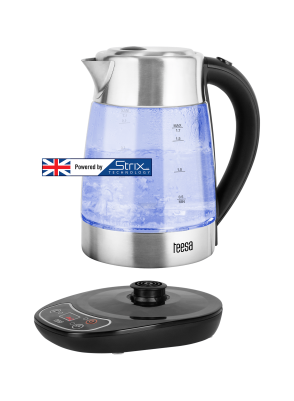
Nowe estetyczne czajniki gotujące wodę w szklanym zbiorniku a nie w plastiku.
kwi
13,
2024
Właśnie mijają kolejne urodziny zaworów marki Calido serii S-30
kwi
13,
2024
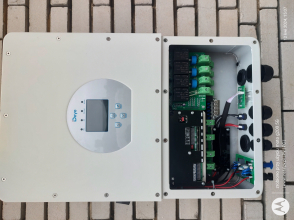
Dziś ukończyliśmy montaż inwertera hybrydowego marki Deye.
kwi
04,
2024
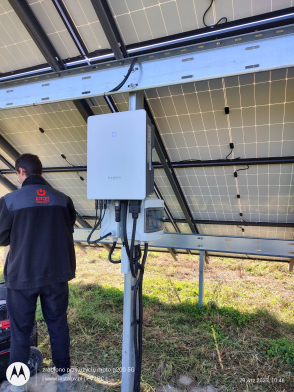
Fotowoltaika Brzustówek montaż instalacji w powiecie Opoczyńskim moc instalacji 9,84kW
kwi
04,
2024
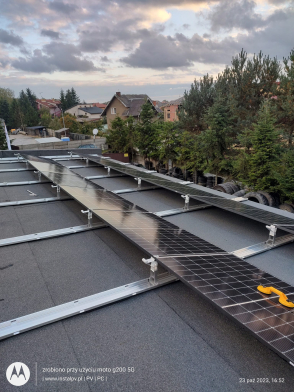
Montaż instalacji fotowoltaicznej w miejscowości Ujazd, tym razem na płaskim dachu.
kwi
04,
2024
Realizacja montażu instalacji fotowoltaicznej o mocy 9,84kW w miejscowości Miedzna Murowana gmina Żarnów powiat Opoczno
check_circle
check_circle